
What does a local sightseeing package actually purchase?
A city cab package usually reserves a vehicle and driver for a stated duration and distance allowance. The published service menu uses familiar options such as 4 hours / 40 km and 8 hours / 80 km; ask which package applies to your pickup and whether the same limits cover a return to a hotel outside the central zone. The website’s Jaipur sightseeing amounts begin at ₹1,500 for a half-day and ₹2,200 for a full day, both approximate starting figures. They are not a promise that every car, date or pickup point costs the same. When comparing quotes, write down start time, end time, included kilometres, overtime method and final drop. A trip that exceeds either limit may add charges under the operator’s terms. The hourly rental options can be more suitable when you want a few short errands rather than a fixed monument circuit.
How is the outstation kilometre rate applied?
Outstation quotes commonly combine a per-kilometre rate with a minimum daily distance or duty period. The site lists from-rates of ₹10/km for a mini hatchback, ₹11/km for a sedan, ₹14/km for an SUV and ₹18/km for a premium SUV; these are reference amounts, not a final fare for every journey. A Tempo Traveller listing begins at ₹24/km, subject to the actual seating category. Ask which route distance is used, whether return kilometres are billed on a one-way booking and whether empty return travel is part of the quote. A one-way transfer and a round-trip holiday should never be compared using only one line of the price table. For a named route such as Jaipur to Ajmer, request a door-to-door estimate using both exact addresses.
Why do two cars show different starting amounts?
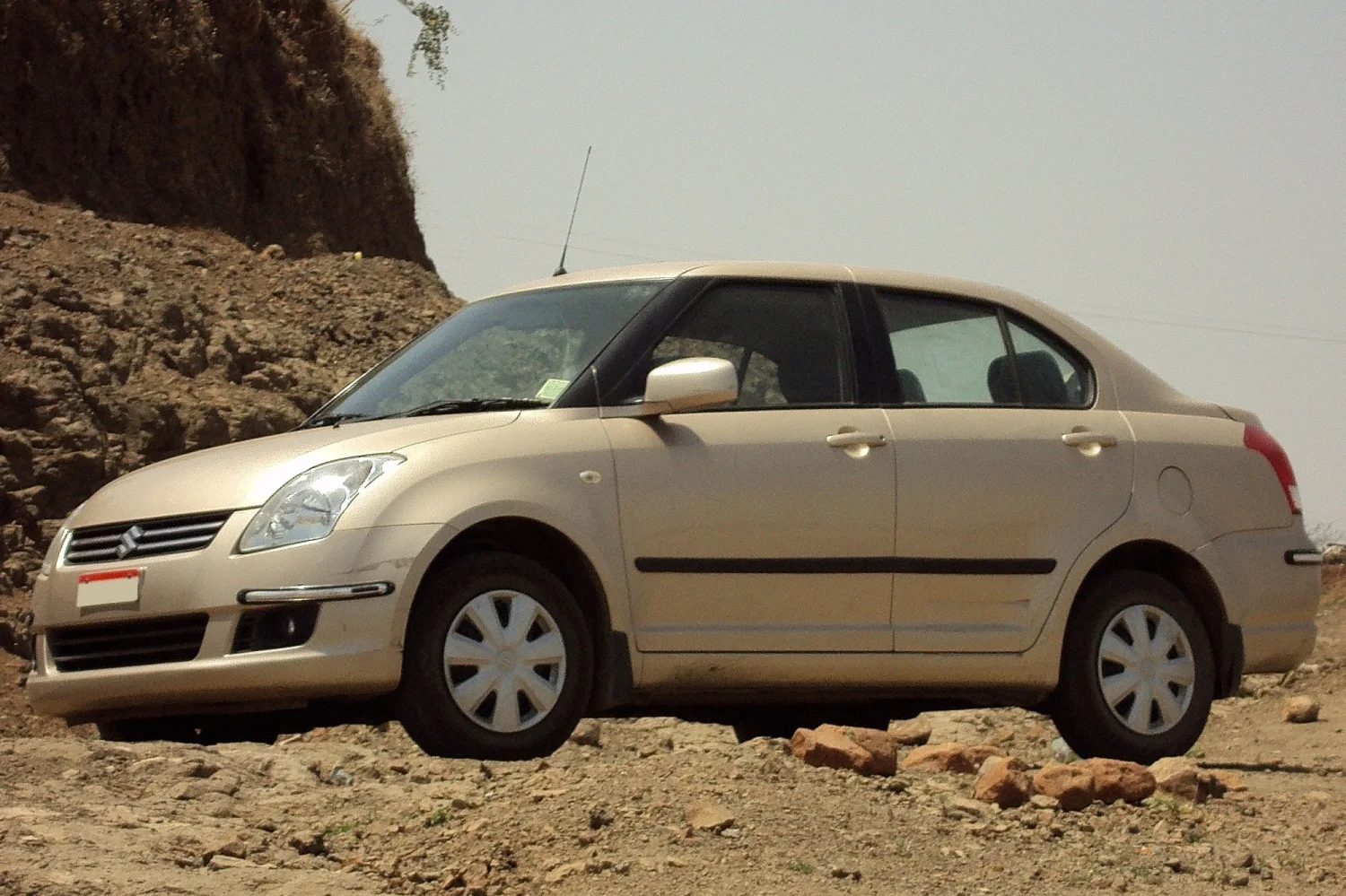
Car class affects seating, cabin space, boot capacity and the route rate. A hatchback can work for one or two passengers with a couple of compact bags; it is not a comfortable choice for a large family. A sedan is often a practical middle option for a small group. An Ertiga or Carens provides a third row, while luggage room shrinks when all seats are occupied. An Innova Crysta or Hycross suits guests prioritizing a roomier cabin on a longer drive. Premium comfort and larger engines carry a different rate; luxury models may require an individual quote. The correct comparison includes passenger count, bag count and whether the car must enter a narrow old-city lane. Review the sedan category and premium SUV details before asking for a confirmation, and have the assigned model named in writing.
When is a driver allowance part of the calculation?
Multi-day and outstation journeys can involve driver food, lodging, daily duty limits or an allowance under the operator’s policy. Never infer a rupee amount from another company’s quote; ask the booking contact how this trip treats the driver’s overnight stay and return schedule. A same-day highway drive may have different terms from a tour with several nights away. Tell the operator whether your plan includes a late dinner, early departure or an additional stop, because those details affect duty time. The written estimate should say whether the driver expense is included or billed separately. If the route ends in a different city, ask who arranges the driver’s return and whether that changes the car total. For a multi-city plan, start with the Rajasthan cab-package page and submit the actual dates rather than estimating from one segment.
What should be clarified about night charges?
A night charge may depend on the reporting hour, release time, waiting period or local duty rules. There is no single night surcharge that can safely be applied to every booking. Before confirming an airport pickup after midnight or a late return from Nahargarh, request the applicable time window and charge in a written message. Also check whether waiting beyond the agreed end time is billed by the hour or another method. A driver asked to remain at a venue while guests attend an event is providing a different service from a point-to-point drop. Share the planned schedule, not only a pickup and destination. The airport taxi page describes the transfer service, but your specific flight arrival and late-hour request still need confirmation.
How do tolls, parking and state taxes affect the bill?
Road tolls, monument parking, airport entry, municipal parking and state permit or tax requirements are often handled separately from the base cab amount. Whether the driver advances a payment and collects it later should be agreed before departure. Ask for a line-by-line estimate showing which road charges are known, which depend on the selected route and which are paid directly at the gate. A Jaipur city circuit may incur parking at some attractions, while an inter-state journey can use different roads and checkpoint rules. Do not assume that a one-way quote includes every facility charge simply because the passenger is travelling in one car. Keep receipts when a cost is reimbursed, and compare the final invoice with the booking message.
Who should choose an hourly booking instead?
Hourly service is useful when your itinerary has multiple brief stops, a meeting with uncertain finish time or a hotel pickup followed by errands. It may be less economical for a single direct transfer with no waiting. Ask whether the package clock begins when the driver reaches you or when the ride starts, and whether the kilometres are measured from the garage or pickup point. Check the method for overtime and whether a break pauses the clock. A family visiting a temple and then returning to the hotel may prefer a defined local block; a solo traveller going from the station to one address usually needs a transfer quote. Keep pickup, release and possible extension in the same written request, so no one must reconstruct the plan roadside.
How can passengers compare two quotations fairly?
Put the same trip details into each request: date, pickup pin, final destination, number of riders, luggage, stops and expected waiting time. Then compare vehicle model, duty duration, kilometres, extra distance, driver expense, tolls, parking, state charges and cancellation terms. A low headline amount may describe a smaller car or a different distance basis. Ask whether air-conditioning is available in the selected model and whether a child restraint can be confirmed. For a route with a scheduled train or flight, include the reporting buffer you need. Avoid sending payment to an unverified personal account; use the booking channel and retain confirmation details. The goal is a clear scope, not a claim about another operator.
What information should be on the booking confirmation?
A useful confirmation names the car category or assigned model, pickup and drop addresses, reporting time, package duration, kilometre basis, included and excluded costs, payment stage and contact for changes. Ask what happens if the flight is delayed or a monument queue extends the day. If the price is labelled “from,” verify the final amount for your date before treating it as agreed. A passenger should also know where the driver will meet them and which number to call if the pickup location changes. Keep the message until the ride is complete. Clear terms protect both sides from arguing over whether a road stop, extra hour or parking receipt was expected.